

Winter brings some of the most expensive claims a condominium association will face all year. A single frozen sprinkler line on an upper floor can send water through a dozen units below, and under most master policies the association absorbs the deductible before coverage begins. Add icy walkways, ice dams, and multi-day power outages, and the season can strain both the budget and the board.
Community association managers and boards who start preparing in November have time to inspect systems, update contracts, talk with owners, and confirm coverage before the first hard freeze. This guide walks through the areas that drive most winter losses and the practical steps that reduce them.
Keep the Heat On, Everywhere
Loss of heat is the starting point for most freeze damage, so heating systems deserve the board’s first look.
- Service heating equipment now. Have a licensed contractor inspect central boilers, common-area furnaces, and backup heat sources, and keep the service records on file. Ask about low-temperature alarms that alert management when a mechanical room drops below a set point.
- Heat the spaces nobody visits. Attics, crawl spaces, mechanical rooms, parking garages, stairwells, and trash rooms often hold water lines and sprinkler piping. Confirm each one has a heat source or adequate insulation, and check that doors, windows, and vents close fully.
- Set expectations for vacant and seasonal units. Owners who winter elsewhere, and units sitting on the market, can go weeks without anyone inside. Many associations adopt a rule requiring a minimum thermostat setting, often 55°F, along with a local contact who holds a key and checks the unit regularly. Confirm your governing documents allow the rule and spell out how it will be enforced.
- Remind owners about safe supplemental heat. Space heaters left running unattended are a fire risk, and extension cords in shared hallways create hazards. A short reminder in your winter letter costs nothing.
Stop Water Before It Starts
Water damage from frozen and burst pipes is one of the most frequent and costly winter claims in multi-unit buildings, because one failure rarely stays in one unit.
- Winterize exterior water lines. Shut off and drain hose bibs, irrigation systems, and pool or clubhouse lines before the first freeze.
- Check the fire sprinkler system. Ask your fire protection contractor to confirm annual inspections and testing are current. Dry-pipe systems in garages and attics need their low points drained, since condensation that collects there can freeze and crack the pipe.
- Know where every shutoff is. Label main water shutoffs and riser valves, and make sure staff, the superintendent, and after-hours vendors can find them in the dark. Every minute water runs adds to the claim.
- Consider leak and temperature sensors. Smart sensors and automatic shutoff valves in mechanical rooms, sprinkler risers, and common areas can catch a leak hours earlier. Some carriers view these devices favorably at renewal, so ask your broker.
- Seal and insulate vulnerable runs. Pipes along exterior walls, in unheated chases, or near garage openings benefit from insulation and air sealing.
- Prepare the roof for snow. Clear gutters, downspouts, and roof drains of leaves before the snow arrives. Ice dams form when heat escapes into the attic, melts snow on the roof, and the water refreezes at the cold eaves, backing meltwater under shingles and into ceilings. Good attic insulation and ventilation are the long-term fix.
Snow, Ice, and Slip-and-Fall Liability
Slips on icy sidewalks, parking lots, and entry steps are a leading source of liability claims against associations, and the quality of your snow removal records often decides how those claims turn out.
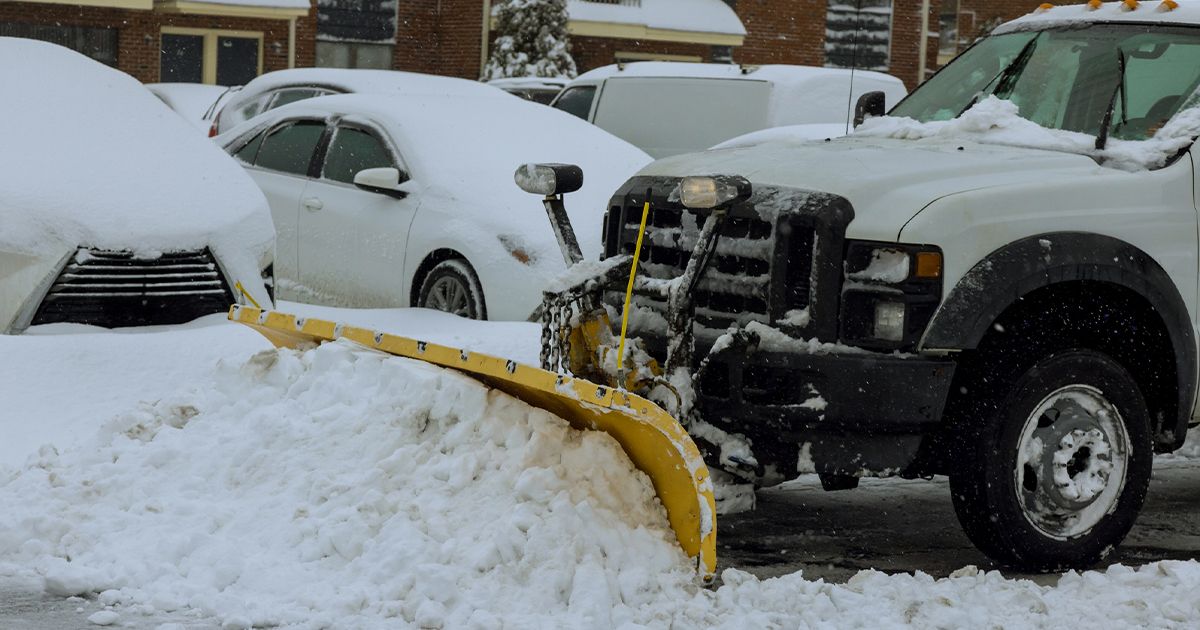
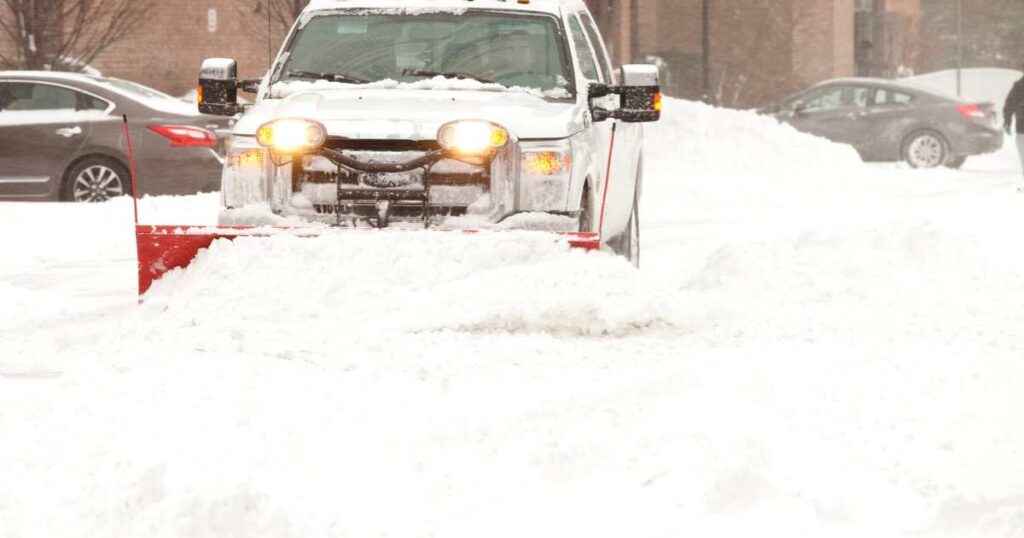
- Review the snow removal contract. Confirm the scope (walkways, lots, stairs, entrances, mailbox areas), the snowfall depth that triggers service, response times, and how often salt or sand is applied.
- Require proper insurance from the contractor. Ask for general liability, commercial auto, and workers’ compensation, with the association and management company named as additional insureds. Include a hold harmless and indemnification clause. Collect certificates before the season starts, and confirm the additional insured endorsement exists, since a certificate alone does not grant that status.
- Keep a storm log. Record the date and time of each storm, when plowing and treatment happened, and the conditions afterward. Timestamped photos and the contractor’s own service records strengthen your position if a claim is filed months later.
- Watch for refreeze. Daytime melt that refreezes overnight causes many falls. Look for downspouts that discharge across walkways and reroute them.
- Clarify owner responsibilities. Decks, balconies, and private entry steps are often limited common elements. Put in writing who clears them so nothing falls between the association and the owner.
- Keep vents and exits clear. Snow drifts can block furnace and dryer exhaust vents, creating carbon monoxide risk, along with fire hydrants and emergency exits.
Plan for Outages and Keep Owners Informed
A winter storm that knocks out power for two or three days tests every part of an association’s plan, so decide now who does what.
- Test generators under load. Confirm fuel supply and which systems the generator actually powers: heat, elevators, sump pumps, emergency lighting, fire alarm panels.
- Add battery backup to sump pumps. A pump that stops during an outage can flood a basement or garage within hours.
- Update the emergency contact list. Include owners, tenants, the plumber, electrician, snow contractor, and a water mitigation company you have already vetted, plus your insurance broker’s claims contact.
- Invite residents to share special needs. A voluntary list of residents who rely on elevators or powered medical equipment helps staff check on them during an outage.
- Send a winter letter to owners. Cover thermostat rules for vacant units, where in-unit water shutoffs are located, how to report a leak after hours, parking rules during plowing, and a reminder to review their own unit owner policy. Pick one channel for storm alerts, such as email, text, or the resident portal, and tell owners where to look.
Review Your Insurance Before the First Storm
Winter is when coverage gaps show up, and the time to find them is before a claim, while the board can still act.
- Know your master policy deductibles. Water damage deductibles on condo master policies have climbed in recent years, and some associations now carry a separate, higher deductible for water losses. The board should know the exact figure and whether reserves can absorb it.
- Decide who pays the deductible. Your declaration, bylaws, and state law (in Connecticut, the Common Interest Ownership Act) shape whether the association can pass a deductible to the owner whose unit caused the loss. If the board has a deductible allocation policy, make sure owners know about it before a loss.
- Encourage owners to review their HO-6 policies. Unit owner coverage should address interior improvements, personal property, personal liability, and loss assessment coverage, which can help pay an owner’s share of an association assessment after a large claim.
- Check liability and umbrella limits. Slip-and-fall verdicts can exceed a primary general liability limit. Confirm the umbrella sits above it with adequate limits.
- Confirm equipment breakdown coverage. Boilers, chillers, and electrical systems fail more often under winter load, and standard property forms may not cover mechanical breakdown.
- Protect the board. Owners sometimes challenge decisions to defer maintenance, such as postponing a roof replacement. Directors and officers coverage helps protect volunteer board members when those decisions are questioned.
- Document conditions now. Photos and video of roofs, mechanical rooms, and common areas taken before winter make claims faster and cleaner.
Winter Readiness Checklist
- Boilers, furnaces, and backup heat serviced, with records on file
- Low-temperature alarms in mechanical rooms and unheated spaces
- Vacant and seasonal unit thermostat rule communicated to owners
- Exterior hose bibs, irrigation, and pool lines drained
- Sprinkler inspection current and dry-pipe low points drained
- Water shutoffs labeled and known to staff and vendors
- Gutters, downspouts, and roof drains cleared
- Snow contract reviewed, certificates and additional insured endorsements collected
- Storm log process in place
- Generator tested and sump pump battery backups installed
- Emergency contact list and vendor list updated
- Winter letter sent to owners
- Master policy deductibles, umbrella, equipment breakdown, and D&O reviewed with your broker
A few hours of preparation in November can prevent months of repairs, assessments, and disputes. Tooher-Ferraris Insurance Group works with community association managers and boards to review master policies, deductibles, and contractor insurance requirements before the season turns. Contact our team to schedule a winter coverage review for your association.