



































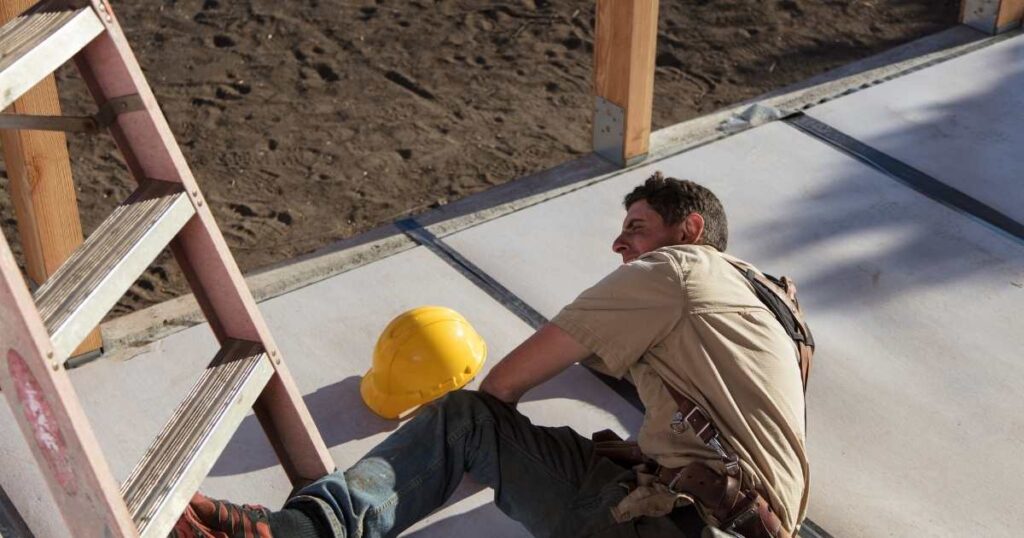
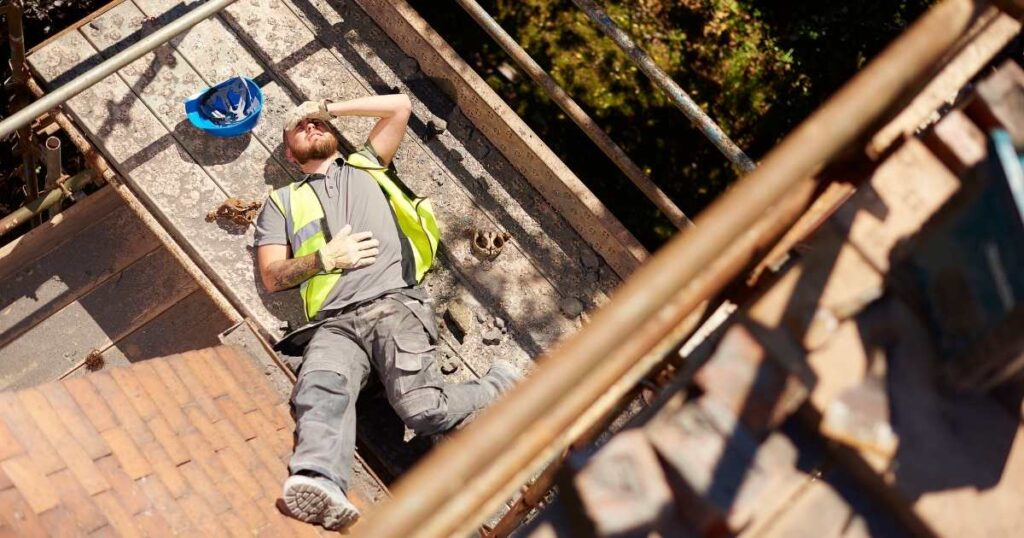
Falls are the leading cause of fatalities in the construction industry, and September is when the conditions that produce them converge most dangerously. Q3 and Q4 deadline pressure, extended work hours, crew fatigue, and schedule compression all peak as contractors push to close projects before winter. OSHA’s 2026 enforcement posture makes this moment more consequential than in prior years: inspectors now expect documentation, apply stricter interpretations, and issue fewer warnings before citations. The regulatory stakes and the safety stakes have both risen.
According to OSHA, fatal falls investigated by federal OSHA dropped from 234 to 189 in fiscal year 2024, a meaningful improvement attributable to sustained enforcement activity and industry safety investment. That progress does not change the seasonal reality that the fall push remains the highest-risk period in the construction calendar for workers’ compensation claims. The resulting workers’ comp claims affect the experience modification rate for three years, meaning a single significant Q4 injury can increase insurance premiums through three consecutive renewal cycles.
The OSHA Enforcement Intensification That Changes the Calculus
OSHA’s 2026 enforcement updates are relevant to every contractor heading into Q4. The agency is expanding enforcement around fall protection with stricter interpretations of anchor point requirements, self-retracting lifeline standards, and leading-edge work criteria. More significantly, inspectors are now document-driven. Poor recordkeeping alone can trigger violations, even if no accident has occurred. A contractor who has a functioning fall protection program but cannot produce training records, inspection logs, and toolbox talk documentation is exposed to citations that a paper-compliant competitor avoids.
The financial exposure from an OSHA citation compounds the workers comp exposure. Serious OSHA violations carry penalties of up to $16,550 per violation in 2025, and willful violations carry penalties of up to $165,514 per violation. An OSHA citation is also discoverable in litigation and can be used by plaintiffs’ attorneys to establish negligence in a subsequent workers comp or general liability claim. A Q4 fall incident that triggers both a workers comp claim and an OSHA citation creates a compounding financial event that affects the business on multiple fronts simultaneously.
The EMR Math That Makes September Safety Investment Obvious
The experience modification rate is calculated using three years of loss data. A single lost-time workers compensation claim on a $200,000 payroll can add two to five percentage points to an EMR, depending on claim severity and the state modifier formula. An EMR of 1.15 versus 0.90 on a $2 million project bid represents a meaningful cost differential in markets where contractors must submit their EMR as part of prequalification. Repeated Q4 claim patterns can lock a contractor into an elevated EMR tier that takes years of clean claim experience to exit.
The return on investment for fall protection audits, scaffold inspection programs, and overtime fatigue management policies is most favorable when evaluated against the three-year EMR impact rather than the direct cost of any single incident. A contractor who invests in fall protection documentation in September, before the push begins, is protecting three years of insurance pricing, not just the current project.
What Proactive Contractors Do Differently in September
Schedule a fall protection audit and documentation review: Identify every leading edge, scaffold, and elevated work platform on current projects. Verify that fall protection systems are installed, maintained, and compliant with OSHA 1926 Subpart M. Equally important, ensure the documentation exists, including training records, inspection logs, and toolbox talk sign-in sheets. Do this in September, not after an incident in November.
Review and activate your return-to-work program: Return-to-work programs that bring injured workers back to modified duty during recovery reduce total claim costs by 30 to 50% and limit EMR impact proportionally. If your program is not documented and your supervisors do not know how to implement it, the time to fix that is before the claim, not the morning after one occurs.
Evaluate your overtime and fatigue management practices: Construction safety research documents consistent relationships between extended work hours and elevated incident rates. A project schedule that requires sustained 60-hour weeks to complete is not just a workforce management problem, it is an insurance program problem. Review your current project schedules against realistic completion timelines before Q4 compression makes the choice for you.
Tooher-Ferraris works with construction companies to review workers compensation programs, evaluate EMR improvement strategies, and align loss control practices with renewal outcomes. Learn more at https://toofer.com/commercial-insurance/ and https://toofer.com/dynamic-risk-synergy-portal/.
OSHA’s fatality data, fall prevention resources, and the National Safety Stand-Down documentation are available at osha.gov. The Center for Construction Research and Training (CPWR) publishes detailed data on construction fall injury trends and their relationship to claim costs at cpwr.com.
Frequently Asked Questions
Why is fall the highest-risk season for construction workers comp claims?
Q3 and Q4 concentrate the most factors that elevate construction injury risk: project completion deadlines, schedule compression, extended work hours, crew fatigue, and in some regions, deteriorating weather conditions. Safety culture discipline is most severely tested under deadline pressure, and claims data consistently reflects where those tests produce failures.
How does a single workers comp claim affect a contractor’s EMR?
The EMR is calculated using three years of loss data. A single significant lost-time claim can add multiple percentage points to an EMR, affecting insurance premiums for three consecutive renewal cycles. The financial impact extends beyond the direct claim cost through elevated premiums, prequalification difficulties, and in some markets, the inability to bid certain projects.
What documentation does OSHA now require from construction contractors in 2026?
OSHA’s 2026 enforcement posture is document-driven. Inspectors expect training records for all employees working at height, documented inspection logs for fall protection equipment and scaffolding, and evidence of toolbox talks addressing fall hazards. Poor recordkeeping alone can trigger violations even in the absence of an accident, making documentation as important as the physical safety systems themselves.
Ready to protect your EMR heading into fall? The team at Tooher-Ferraris has been helping construction businesses manage workers compensation costs since 1932. Contact us today to schedule a no-obligation consultation — https://toofer.com/contact-us/