






Commercial Insurance Solutions
Safeguard your business with comprehensive commercial insurance solutions tailored to your industry. From property and liability coverage to specialized protections, our policies help shield your operations, assets, and employees from potential risks, ensuring your business stays resilient and prepared for the unexpected.

Surety Bonds
Ensure your business meets contractual and regulatory obligations with our comprehensive surety bond solutions. Whether for construction projects, compliance, or financial guarantees, our tailored bonds provide the security and trust you need to build strong business relationships and complete projects with confidence.

Employee Benefits
Empower your business with comprehensive employee benefits solutions that attract and retain top talent. From health and wellness programs to employee benefits benchmarking, our solutions provide the coverage and support your employees need, while ensuring your business stays compliant with regulations and manages costs effectively.
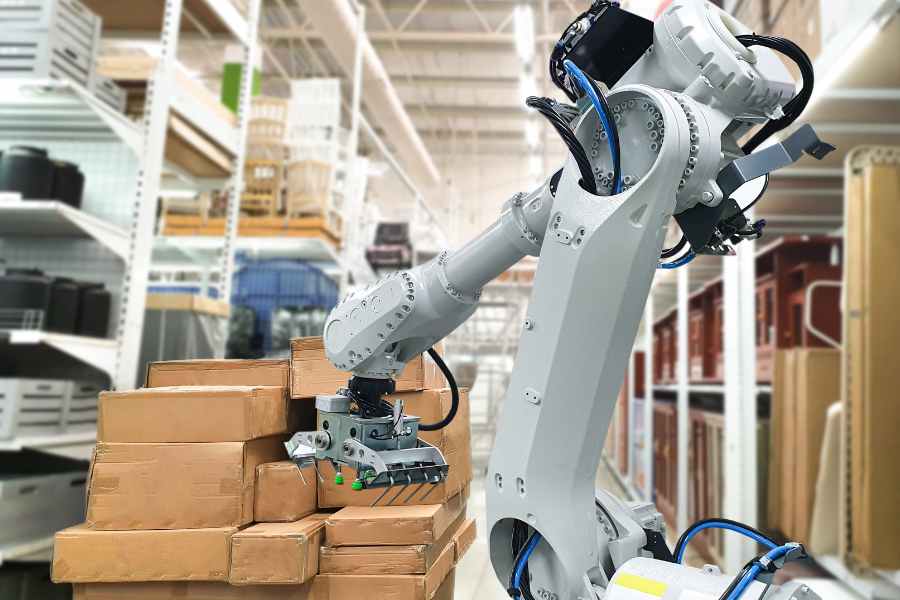
Specialty Insurance Solutions
With strong relationships across various industries, our dedicated team is equipped to provide insights and guidance tailored to your industry’s specific challenges.

Arborists
Specialized coverage for arborists, protecting your business from equipment damage, property liability, and worksite injuries.

Custom Home Builders & Remodelers
Comprehensive coverage for custom home builders and remodelers, ensuring protection from construction liabilities.

Equine
Tailored equine insurance for stables, trainers, and riders, offering protection from horse-related risks and liabilities.

Flood Insurance
Comprehensive flood insurance coverage designed to protect your home or business from costly water damage.

Hospitality
Tailored insurance for the hospitality industry, offering protection for property, employees, and guests.
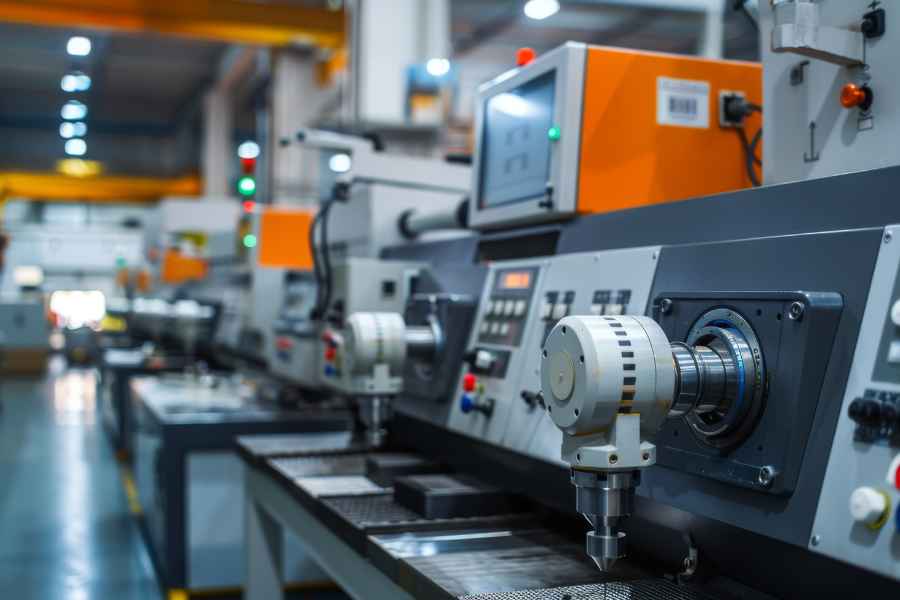
Manufacturing
Ensure the smooth operation of your manufacturing business with insurance tailored to address industry-specific challenges. Our coverage includes product liability, property damage, workforce safety, and much more, helping you minimize disruptions and financial risks while keeping production on track.


Non-Profit
Comprehensive insurance solutions for non-profits, protecting your mission while minimizing financial risk, and covering your organization, volunteers, and directors from potential liabilities.

Pollution
Tailored coverage for pollution incidents, ensuring your business is protected from legal, remediation, and contamination costs.

Real Estate
Safeguarding your properties is crucial whether you’re a private real estate investor, REIT, property manager, or operator of self-managed condo associations. Our tailored insurance solutions protect against property damage, liability, and operational risks

Specialty Trade Contractors
Insurance solutions for contractors, safeguarding your business from job site accidents, property damage, liability claims, and contractual liabilities.
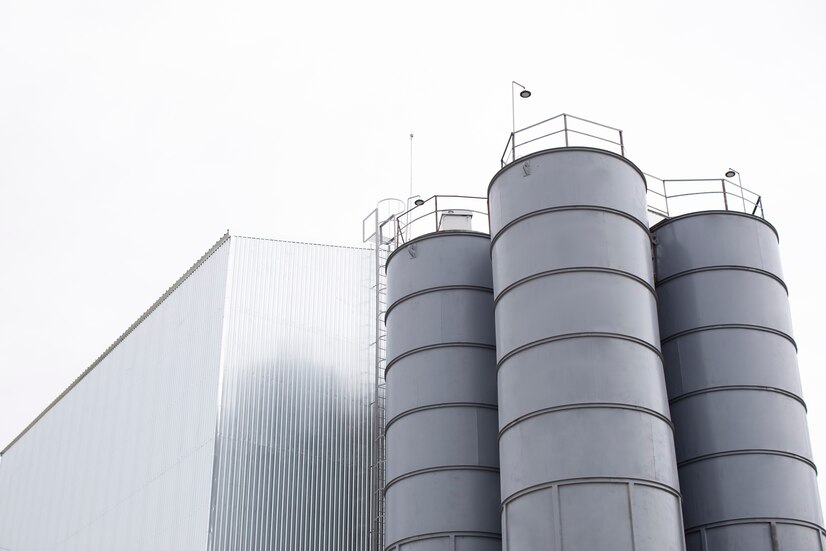
Storage Tank Pollution
Protect your business from the financial and environmental risks associated with storage tank leaks and contamination. Our storage tank pollution insurance offers coverage for cleanup costs, third-party liabilities, and regulatory compliance, ensuring you are safeguarded against unexpected spills and environmental hazards.

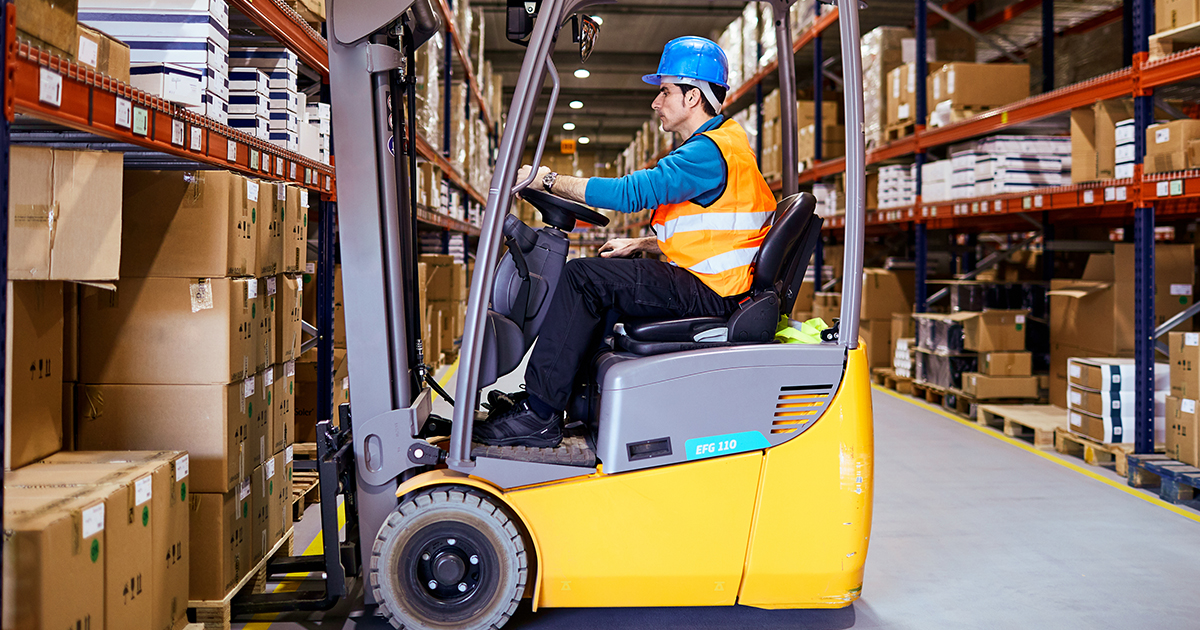
Warehouses are among the most dangerous work environments in the United States, and the data makes that difficult to dispute. The Bureau of Labor Statistics reports a warehouse injury rate of 4.8 cases per 100 full-time workers, more than double the 2.3 all-industry average. Forklifts alone account for approximately 85 fatalities and 34,900 serious injuries annually in American workplaces, according to OSHA. For business owners in logistics, distribution, and light manufacturing, these numbers translate directly into workers’ compensation costs, experience modification ratings, and insurance premiums.
Warehouse safety and workers’ compensation are not separate conversations. Every injury claim affects your experience modification rate (EMR), which in turn affects what you pay for coverage, often for three years after the loss. Here are seven things every warehouse business owner needs to understand about how safety and workers’ comp intersect.
1. Your EMR Is a Three-Year Running Average — Not a Snapshot
The experience modification rate is calculated using three years of loss data, with the most recent year excluded. A single significant claim can elevate your EMR for three consecutive renewal cycles. An EMR above 1.0 signals higher-than-average risk to carriers and results in premium surcharges. An EMR below 1.0 generates credits. Warehouse operations with consistent injury exposure often accept elevated EMRs as a cost of business when they should be treating EMR improvement as a multiyear financial project.
2. Forklifts Are Your Highest Severity Exposure
Forklift tip-overs account for 42% of forklift fatalities. Pedestrians struck by powered industrial trucks represent the single largest category of forklift work fatalities, according to BLS data cited in an OSHA directive. A single forklift injury generates direct workers’ compensation costs of $38,000 to $41,000 on average before accounting for indirect costs including lost productivity, supervisory time, training replacement workers, and OSHA penalties. Powered industrial truck violations ranked sixth among all OSHA citations in fiscal year 2024, with over 2,200 citations issued. The underwriting scrutiny on forklift operations has increased in parallel.
3. Overexertion and Repetitive Motion Claims Accumulate Quietly
Forklifts generate the most severe individual claims. Overexertion, from lifting, pushing, pulling, and carrying, generates the most claims by frequency. These injuries rarely produce dramatic incidents. They accumulate across the workforce over months and years, and they are among the most expensive categories to manage on a per-claim basis because they frequently involve soft tissue damage with long recovery timelines. E-commerce fulfillment centers, which operate at higher throughput rates than traditional warehousing, experience injury rates nearly double those of non-fulfillment facilities.
4. Slips, Trips, and Falls Are Preventable at Scale
Slips, trips, and falls account for 27% of all non-fatal warehouse injuries, according to the Bureau of Labor Statistics. Falls from ladders and elevated platforms represent 20% of fatal warehouse accidents. These are also the category of injuries most responsive to environmental controls, including floor marking, maintenance schedules, footwear standards, and lighting quality, all of which can measurably reduce incident rates. Carriers evaluate housekeeping and environmental controls during loss control visits, and their findings directly influence renewal terms.
5. Return-to-Work Programs Reduce Claims Cost More Than Any Other Single Intervention
The cost of a workers’ compensation claim is not fixed at the time of injury. It is determined largely by how long the injured worker remains off the job. Medical costs escalate significantly when recovery is extended, and indemnity payments, or wage replacement during disability, compound with duration. A structured return-to-work program that brings injured employees back to modified duty during recovery can reduce total claim costs substantially, typically by 30% to 50%, and reduce EMR impact proportionally. Carriers view the presence of a formal return-to-work program as a significant positive underwriting factor.
6. OSHA Violations Create Compounding Financial Exposure
Serious OSHA violations carry penalties of up to $16,550 per violation in 2025. Willful violations, meaning those where the employer knew of a hazard and did not correct it, carry penalties of up to $165,514 per violation, with each day of non-compliance potentially treated as a separate violation. Beyond the direct penalty, an OSHA citation is discoverable in litigation and can be used by plaintiffs’ attorneys to establish negligence. Businesses that receive OSHA citations without correcting underlying conditions are building evidence against themselves.
7. Loss Control Services Are an Underwriting Differentiator, Not a Compliance Exercise
The commercial insurance team at Tooher-Ferraris works with warehouse and logistics operations to structure workers’ compensation programs that reflect actual safety investment, build toward EMR improvement, and align loss control engagement with renewal strategy. Learn more at https://toofer.com/commercial-insurance/ and https://toofer.com/dynamic-risk-synergy-portal/.
OSHA’s powered industrial trucks standard (29 CFR 1910.178) provides the regulatory baseline for forklift operations, and the National Safety Council’s Injury Facts data at injuryfacts.nsc.org provides current fatality and injury statistics across industry categories.
Frequently Asked Questions
What is an experience modification rate (EMR) and how does it affect workers’ comp premiums?
The EMR is a multiplier applied to your workers’ compensation base rate that reflects your claims history relative to businesses of similar size and type. An EMR of 1.0 means you pay the standard rate. An EMR below 1.0 generates a premium credit; above 1.0 generates a surcharge. The calculation uses three years of loss data and can affect premiums for multiple renewal cycles after a significant claim.
What are the leading causes of warehouse workers’ compensation claims?
The four leading categories are forklift-related injuries (highest severity), overexertion from manual material handling (highest frequency), slips, trips, and falls, and struck-by incidents involving powered equipment or falling objects. Forklift tip-overs and pedestrian-forklift collisions account for the majority of fatal incidents.
How do return-to-work programs reduce workers’ compensation costs?
Return-to-work programs bring injured employees back to modified duty during recovery, which reduces indemnity payments, shortens claim duration, and limits the medical cost escalation associated with extended disability. Formal programs also signal to carriers that the business manages claims proactively, which influences EMR trajectory and renewal pricing.
Ready to build a workers’ compensation program that reflects your safety investment? The team at Tooher-Ferraris has been helping businesses manage workers’ comp costs since 1932. Contact us today to schedule a no-obligation consultation — https://toofer.com/contact-us/

What Are Voluntary Benefits?
Voluntary benefits are employer-sponsored insurance products and services that employees can elect and pay for individually, either fully or through cost-sharing arrangements. Because employees fund most or all of the cost, voluntary benefits allow employers to expand the breadth of their benefits offering without proportionally increasing their own benefits spend.
Common voluntary benefit categories include critical illness insurance, which provides a lump-sum cash payment upon diagnosis of a covered condition such as cancer, heart attack, or stroke. Accident insurance pays benefits based on specific injuries or events, covering out-of-pocket costs that medical insurance does not fully address. Hospital indemnity insurance provides a daily cash benefit during a hospital stay. Legal plans, pet insurance, identity theft protection, student loan assistance, and financial wellness programs round out the non-medical voluntary benefits category that has grown significantly in employer adoption over the past several years.
Why Are Voluntary Benefits More Important in 2026?
Healthcare costs are the primary driver of voluntary benefits growth in 2026. LIMRA’s 2026 workplace benefits analysis projects that employer healthcare costs will rise approximately 8 percent this year without plan design changes. As employers manage that cost pressure, they face a parallel challenge: maintaining a competitive benefits offering in a market where employees increasingly evaluate total compensation based on benefits quality.
According to MetLife’s 2026 EBTS, 62 percent of workers believe non-medical benefits are essential to accessing preventive care. The same study found that employees who use 10 or more non-medical benefits are 69 percent more likely to feel holistically healthy. The connection between voluntary benefits access and overall workforce health and engagement is one of the most consistent findings in recent workplace benefits research.

Which Voluntary Benefits Should Employers Consider in 2026?
Critical illness and accident insurance are among the highest-value additions for workforces where employees carry HDHP coverage with significant out-of-pocket exposure. These products provide cash benefits at the moment of a significant health event, addressing exactly the financial gap that a high deductible creates.
Hospital indemnity coverage addresses the daily out-of-pocket costs that accompany hospitalization, which most health plans cover only partially and which can generate significant employee financial stress even when a claim is ultimately paid.
Legal plans address employee financial stress around legal fees, will preparation, and contract review. Financial wellness programs address the financial stress that MetLife’s 2026 research identifies as the top stressor for 83 percent of employees.
A wellness and population health strategy that integrates voluntary benefits with the primary medical plan is more effective than one that treats them as unrelated additions. Employee benefits strategy advisors can help employers build a voluntary benefits portfolio that complements the existing program structure and aligns with the workforce’s actual needs.

Frequently Asked Questions About Voluntary Benefits
| Frequently Asked Questions | |
| What is the difference between voluntary benefits and core benefits? | Core benefits are employer-sponsored and employer-funded. Voluntary benefits are employer-sponsored but primarily or entirely employee-funded, giving employees access to additional coverage at group rates through payroll deduction without significant employer cost. |
| Who pays for voluntary benefits? | Most voluntary benefits are 100 percent employee-paid, or cost-shared with the employer contributing a portion. The group purchasing arrangement through the employer allows employees to access coverage at rates lower than they could obtain individually. |
| Are voluntary benefits worth adding if employees are already cost-stressed? | Yes, it is worth it with the right benefit design and communication. Critical illness and accident products that pay cash at the moment of a significant health event are specifically designed to help employees manage the financial impact of health crises that primary insurance does not fully cover. |
| How do employers decide which voluntary benefits to offer? | The most effective approach combines employee survey data on benefits preferences, demographic analysis of the workforce, and a review of where current benefits have coverage gaps. A benefits advisor can help structure this analysis as part of the open enrollment planning process. |
| Do voluntary benefits affect the employer’s health plan costs? | Employers who offer robust voluntary benefits portfolios report lower average health plan costs. MetLife’s 2026 study found that 83% of employers reported lower medical costs as a result of offering non-medical benefits, attributed to the combined effect of higher preventive care engagement and better employee capacity to manage out-of-pocket costs. |
Ready to review your voluntary benefits program before open enrollment? The team at Tooher-Ferraris has been helping employers build complete, effective benefits programs since 1932. Contact us today or request a group employee benefits consultation to get started.

Picture this: a mid-sized company adopts an AI-powered resume screening tool, purchases it from a reputable HR technology vendor, and assumes the vendor’s compliance warranties transfer the risk. Eighteen months later, the EEOC is investigating a disparate impact complaint. The employer’s general liability carrier denies the claim. Employment practices liability, the only policy designed to respond, was either not purchased or was purchased with limits set two years ago, before the risk landscape changed.
Employment practices liability (EPL) insurance covers claims arising from wrongful termination, discrimination, harassment, retaliation, and a growing category of hiring and compensation-related exposures. In 2026, the risk profile for this coverage has shifted in three meaningful ways that most business owners have not yet accounted for in their programs.
The General Liability Policy Does Not Cover This
Before examining what has changed, the foundational point bears emphasis: general liability policies exclude employment-related claims. Wrongful termination, discrimination, and harassment allegations fall entirely outside GL coverage. Without a standalone EPL policy or a management liability package that includes EPL, a business facing an employment claim has no insurance response.
EPL is a claims-made policy, which means two things: the policy in force when the claim is reported, not when the alleged act occurred, is the policy that responds, and coverage can disappear if the policy lapses between renewal periods. Businesses that have never purchased EPL, or that dropped it during a cost-cutting exercise, may be carrying years of accumulated exposure with no coverage in place to respond to it.
What Changed: Three New Exposure Drivers in 2026
Pay transparency requirements now apply in 16 states, including Colorado, California, New York, and Illinois. These laws require employers to include salary ranges in job postings and, in some jurisdictions, to provide pay range information upon employee request. Violations create direct regulatory exposure. More significantly, pay transparency laws are generating internal pay equity audits and those audits are surfacing compensation disparities that are becoming the basis for discrimination claims. Businesses that have not conducted a proactive pay equity analysis before posting roles in covered states are taking on EPL exposure they may not recognize.
Algorithmic hiring tools are creating a new category of liability. The EEOC has made clear that “the algorithm did it” is not a valid defense under Title VII of the Civil Rights Act. Employers remain fully liable if an AI hiring tool produces a disparate impact on protected groups, regardless of whether the tool was purchased from a vendor. Businesses using AI in resume screening, interview scheduling, performance scoring, or promotion decisions without independent bias audits are operating in an environment of increasing litigation risk. The Mobley v. Workday class action, which survived a motion to dismiss and was certified as a collective action, signals that plaintiffs’ attorneys are treating algorithmic bias as a viable class-action theory.
Hybrid work has introduced proximity bias claims. Employees working remotely consistently report fewer promotions, less mentorship, and reduced access to high-visibility assignments compared to colleagues working in person. When remote workers, who disproportionately include women, caregivers, and employees with disabilities, begin documenting these disparities and connecting them to protected characteristics, EPL claims follow. This exposure is relatively new, fact-pattern-specific, and not yet well-reflected in most businesses’ risk management thinking.

What to Do About It
Three actions meaningfully reduce EPL exposure and improve coverage outcomes.
Conduct a pay equity review before your next round of external hiring in a covered state. Document the methodology and preserve the work product. If disparities exist, address them before they surface through a complaint.
Audit any AI tool used in employment decisions. The question is not whether the tool is accurate, it is whether the tool produces outcomes that are disproportionately adverse to any protected group. Independent third-party audits are now considered the legally defensible standard.
Review your EPL limits against current verdict trends. Nuclear verdicts in employment cases have grown alongside the broader social inflation trend. Limits purchased several years ago may not reflect the current cost of defending and settling employment claims.
Tooher-Ferraris works with businesses to evaluate EPL coverage as part of a complete management liability program. Our commercial insurance team can review your current coverage, identify gaps in your employment practices risk posture, and connect EPL to your broader management liability strategy, including D&O and fiduciary coverage. Learn more at https://toofer.com/commercial-insurance/ and https://toofer.com/specialty-programs/.
The SHRM 2026 HR Policy Benchmarking data provides useful context on pay transparency compliance across covered states, and the EEOC’s technical assistance documents on AI in employment decisions, available at eeoc.gov, outline the current federal framework.
Frequently Asked Questions
What does employment practices liability insurance cover?
EPL insurance covers claims arising from wrongful termination, discrimination, sexual harassment, retaliation, failure to promote, wrongful discipline, and increasingly, compensation-related claims including pay transparency violations. It does not cover intentional criminal acts or claims covered by workers’ compensation.
Is my business at risk from AI hiring tools even if I purchased the tool from a vendor?
Yes. The EEOC’s position is that employers cannot transfer liability to vendors. If an AI tool you use produces a disparate impact on a protected group, the employer using it bears the legal responsibility under Title VII, regardless of vendor warranties. Independent bias audits and documented human oversight of algorithmic decisions reduce but do not eliminate this exposure.
Does general liability insurance cover employment claims?
No. General liability policies contain an employer’s liability exclusion that specifically excludes claims arising from employment relationships. A standalone EPL policy or a management liability package that includes EPL coverage is required to insure against employment-related claims.
Ready to review your employment practices liability coverage? The team at Tooher-Ferraris has been helping businesses build complete management liability programs since 1932. Contact us today to schedule a no-obligation consultation — https://toofer.com/contact-us/