


The construction industry continues to face rising project demands, tighter timelines, and increased risk exposure. For general contractors and subcontractors, understanding construction liability insurance is more important than ever. With job sites presenting daily hazards, property damage, injuries, equipment misuse, or client disputes, having the right construction liability insurance is essential to staying protected and financially secure.
Why Construction Liability Insurance Matters in 2026
Construction work carries inherent risks. Even the most experienced contractor cannot fully control accidents, weather-related damage, or unexpected structural issues. Construction liability insurance provides a critical safety net by covering legal costs, medical expenses, and property damage that may occur during a project.
Without the right coverage, a single incident can result in thousands of dollars in losses or even force a business to shut down.
Key Liability Coverages Every Contractor Needs
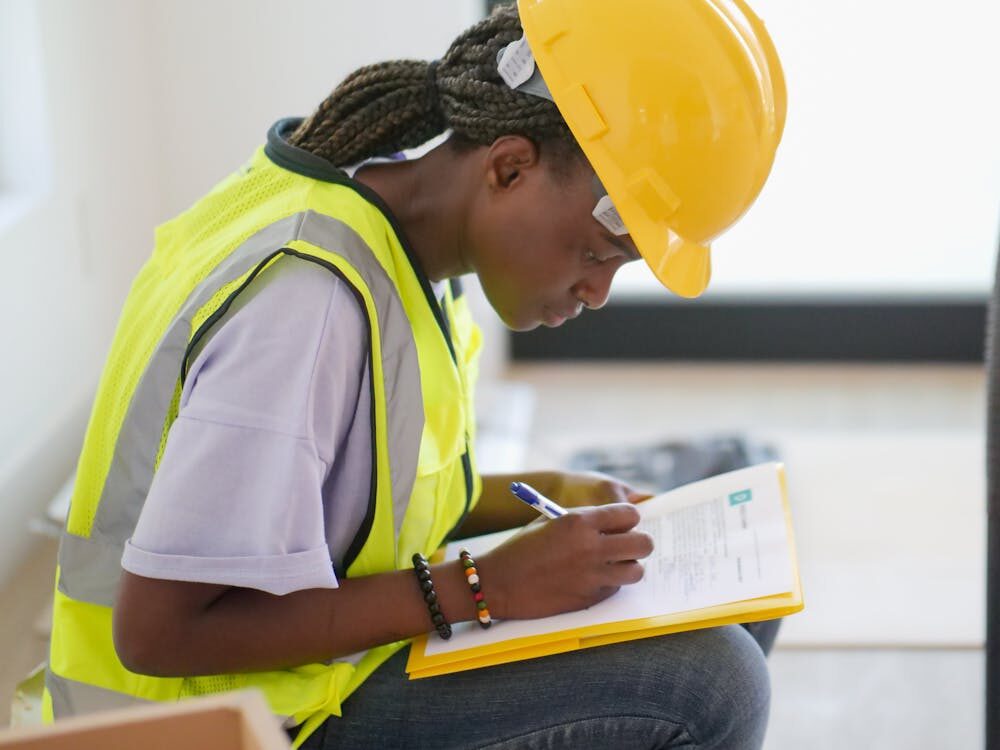
General Liability Insurance
Every contractor, large or small, should carry general liability insurance. This policy protects against third-party claims involving bodily injury, property damage, or personal injury caused by your work or employees. If a client trips over equipment or if a piece of machinery damages a finished surface, general liability coverage helps manage the financial impact.
Completed Operations Coverage
Once a job is done, your liability doesn’t disappear. Completed operations coverage protects contractors from claims related to finished work, such as water damage caused by faulty installation or structural issues traced back to your craftsmanship.
Contractor’s Pollution Liability
With construction activities often stirring up dust, chemicals, or environmental hazards, pollution liability offers protection from claims involving contaminated air, soil, or water.
Professional Liability Insurance
Contractors who provide design, consulting, or project management services should also carry professional liability insurance. It protects against claims related to design errors, incorrect specifications, or project oversights.
Common Claim Scenarios Contractors Face
Contractors frequently encounter risk scenarios that highlight the importance of construction liability insurance:
- Property Damage on Site: Accidental damage to materials, tools, or client property.
- Injuries to Third Parties: Visitors or subcontractors getting injured due to site hazards.
- Structural Failures: Claims related to faulty workmanship or installation issues.
- Environmental Damage: Dust, spills, or hazardous waste issues resulting from construction activities.
- Client Disputes: Legal challenges arising from project delays or contractual misunderstandings.
Each of these scenarios can lead to costly lawsuits and financial strain. The right construction liability insurance ensures contractors stay protected and compliant with project requirements.
How Contractors Can Stay Protected
To safeguard your business in 2026, contractors should:
- Review policies annually to ensure adequate coverage limits
- Document safety protocols and maintain clean job sites
- Require subcontractors to carry their own general liability insurance
- Keep accurate records of contracts, materials, and completed work
- Partner with a knowledgeable insurance advisor
If you are a contractor searching for expert guidance and reliable protection, connect with Tooher-Ferraris Insurance Group, a leading provider of comprehensive insurance services.
Our offerings include commercial property insurance, travel insurance, general liability insurance, professional liability insurance, and much more.
Protect your business with confidence; reach out today.