

Company holiday parties remain a fixture. In Challenger, Gray & Christmas’s most recent holiday party survey, 64% of companies planned a celebration, and in the firm’s prior survey nearly 57% of companies hosting parties planned to serve alcohol. Holiday party liability covers the injuries, accidents, and claims that can follow an employer-hosted event. Most business owners assume their insurance handles all of it. Here are five myths worth testing before the invitations go out.
Myth 1: Our General Liability Policy Covers Anything That Happens at the Party
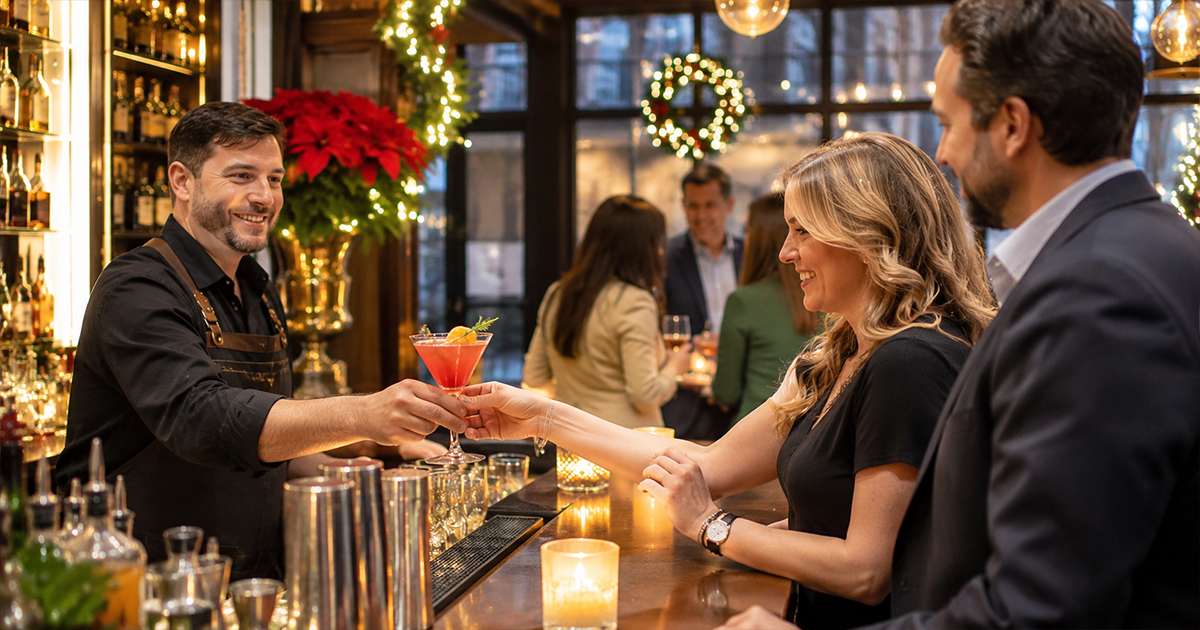
Many general liability policies include host liquor liability for businesses that are not in the business of selling or serving alcohol, which helps if a guest is hurt after drinking at your event. Coverage depends on the wording, the limits, and how the event is run. Charging guests for drinks, for example, can change how a policy treats the exposure. Injuries to your own employees usually fall under workers’ compensation and employer’s liability, which general liability excludes. Off-site events raise their own questions, so ask whether your policy responds at premises you rent for the evening and whether the venue requires specific limits. Confirm the details with your broker before the date is set.
Myth 2: If We Book a Venue and Caterer, the Liability Is Theirs
A restaurant or caterer with its own liquor license and liquor liability coverage does shift much of the exposure. Your company can still be named in a lawsuit, and you want the vendor’s policy to respond first. Ask for a certificate of insurance that shows liquor liability limits, request that your business be added as an additional insured, and make sure licensed bartenders, not employees or volunteers, are pouring. Read the venue contract closely, too. Many include indemnification language that shifts the venue’s own liability onto your company, and your broker can tell you whether your policy will accept that obligation.
Myth 3: Party Injuries Fall Outside Workers’ Compensation
In many states, an employee injured at a company-sponsored event may have a compensable workers’ comp claim, especially if attendance was expected or the event served a business purpose such as awards or announcements. The rules vary by state and by the facts of each event. Making attendance clearly voluntary and keeping business activities brief can reduce the exposure. Expect any claim to be reviewed on its own facts. Schedule the event at a reasonable hour and venue, and avoid physical activities such as games or contests that raise the odds of an injury.
Myth 4: Harassment at the Party Is a Personal Matter
Conduct at a company event is workplace conduct. The EEOC’s harassment guidance makes clear that employers can be responsible for harassment by supervisors and coworkers, and alcohol tends to raise the risk. Employment practices liability insurance responds to these claims, subject to its retention and terms. Remind employees of your conduct policy before the event, limit drink tickets, and make sure managers know how to report a concern. A brief, friendly reminder in the invitation sets expectations without spoiling the mood. Our HR compliance and legal team can help you refresh that policy.
Myth 5: How Employees Get Home Is Their Own Business
Social host and dram shop laws vary widely by state, and some allow claims against a host who served a visibly intoxicated guest who later caused a crash. Employees who run party errands in personal cars also create exposure that hired and non-owned auto coverage is designed to address. Arranging rideshare credits or a shuttle costs little next to a single serious claim. Close the bar an hour before the event ends, offer plenty of food and nonalcoholic options, and ask a manager to watch for guests who may need a ride.
A Short Holiday Party Liability Review
Before the event, ask your broker to confirm host liquor liability under your general liability policy, check your umbrella limits, verify hired and non-owned auto coverage, and review the retention on your employment practices liability policy. If you hire a planner or entertainment vendor, collect their certificates as well. Our commercial insurance team can run that review quickly. For planning help, the Dynamic Risk Synergy Portal includes event safety resources.
Bottom line: Plan the party like any other company event, and confirm the coverage before the first drink is poured.