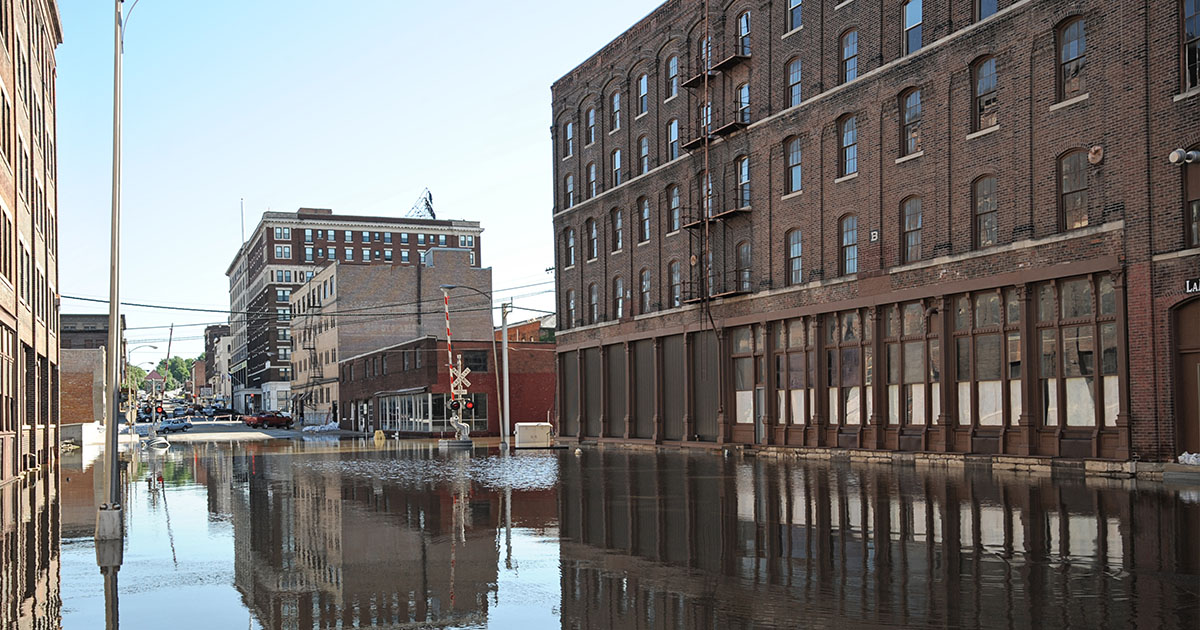


August marks the beginning of the most active stretch of the Atlantic hurricane season. According to the National Hurricane Center, the peak of the season falls between mid-August and mid-October. This is a practical time for homeowners anywhere in the country to confirm exactly what their coverage includes for water damage caused by storms.
Does Homeowners Insurance Cover Flood Damage?
No. Standard homeowners insurance explicitly excludes flood damage. This exclusion applies universally, regardless of what causes the flooding, whether it is storm surge from a hurricane, overland flooding from a river, or rainwater that accumulates because a stormwater system is overwhelmed. It is not a fine-print technicality unique to certain carriers. It is a structural feature of how homeowners insurance works in the United States.
The reason for the exclusion is actuarial. Flood losses are geographically concentrated and can affect thousands of homes simultaneously in a single event, which creates a fundamentally different risk profile from the individual, unpredictable losses that homeowners insurance is priced to cover.
When Hurricane Helene brought catastrophic flooding to parts of North Carolina in late 2024, thousands of homeowners discovered that their policies did not cover the damage. The losses ran into the billions, and the majority were uninsured. That outcome follows a consistent pattern after nearly every major US flood event.
According to the Insurance Information Institute, only about 4 percent of US homeowners carry flood insurance. That figure is low even in areas near the coast or inside designated high-risk flood zones, and it is far lower in inland areas where flood exposure is less obvious.
What Is Flood Insurance and How Does It Work?
Flood insurance is a standalone policy that specifically covers losses caused by flooding. In the United States, it is available through two channels.
The National Flood Insurance Program is administered by FEMA and provides federally backed flood coverage to homeowners in participating communities. NFIP policies are sold through participating private insurance carriers and feature standard coverage limits and terms set by the federal program. NFIP coverage for a structure is capped at $250,000, and personal property coverage caps at $100,000 and must be purchased separately.
Private flood insurance is available from a growing number of carriers and can in some cases offer higher limits, broader terms, or different pricing than NFIP policies. According to industry data, private residential flood policies have been expanding at approximately 20 percent annually as more carriers enter the market.
A standard flood insurance policy covers structural damage to the home, including the foundation, electrical and plumbing systems, heating and cooling equipment, and built-in appliances. Personal property and contents coverage is a separate component. Flood policies do not cover outdoor property, vehicles, landscaping, or business interruption losses.
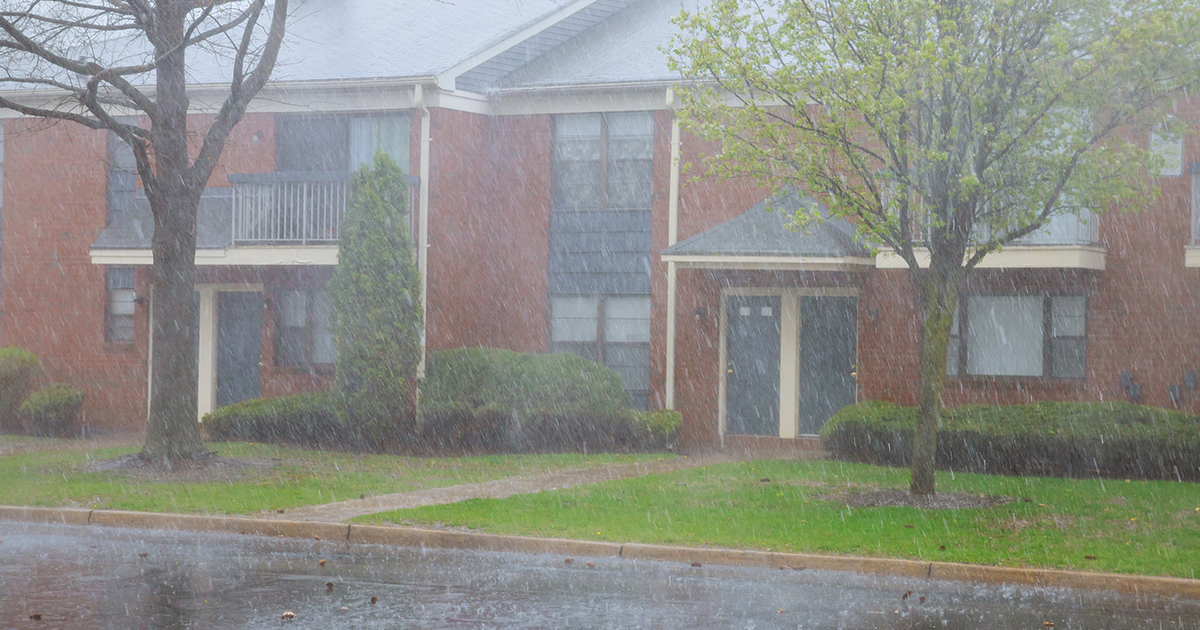
The most practical distinction to understand is this: homeowners insurance covers water damage that originates inside the home, such as a burst pipe. Flood insurance covers water that originates outside and enters the home at ground level. The source and entry point of the water determine which policy responds, which is why both types of coverage can be relevant after a single storm event.
Tooher-Ferraris offers flood insurance through both the NFIP and private market carriers. Homeowners can get a flood insurance quote or review coverage options directly through our website.
Who Needs Flood Insurance?
Homeowners in federally designated Special Flood Hazard Areas (high-risk flood zones labeled Zone A or Zone V on FEMA flood maps) are typically required by mortgage lenders to carry flood insurance. This requirement applies when the mortgage is federally backed.
The requirement represents a floor, not a ceiling. According to FEMA, more than 20 percent of all flood claims nationally come from properties located outside designated high-risk flood zones. Properties in moderate-risk zones, inland properties near rivers or low-lying areas, and properties in areas with aging stormwater infrastructure can all face meaningful flood exposure that the flood zone designation does not fully reflect.
A home insurance review that specifically examines flood exposure provides the information needed to make a considered decision. For a broader overview of personal coverage options, visit the personal insurance section of our website.
Real estate buyers and their agents are also increasingly navigating flood insurance questions earlier in the transaction process.
Our Insight on why buyers are asking insurance questions before making offers covers the flood zone disclosure conversation from the real estate professional’s perspective.

Frequently Asked Questions About Flood Insurance
| Frequently Asked Questions | |
| Does homeowners insurance cover flooding from a hurricane? | No. Standard homeowners insurance covers wind damage from a hurricane but excludes flooding. If a hurricane causes both wind damage and flood damage to the same property, two separate policies are needed to address both types of loss. |
| How long does flood insurance take to take effect? | NFIP policies typically have a 30-day waiting period before coverage becomes effective. Private flood insurance waiting periods vary by carrier. Coverage purchased after a named storm has formed generally does not take effect before that storm arrives. |
| Is flood insurance required if I live outside a flood zone? | It is not required by lenders for properties outside designated high-risk flood zones, but it may still be worth considering. More than 20 percent of flood claims come from properties outside those designated zones. |
| How much does flood insurance cost? | Cost depends on the property’s location, elevation, structure type, and the coverage amounts selected. The best way to determine cost for a specific property is to request a quote through Tooher-Ferraris. |
| Does flood insurance cover my car? | No. Flood damage to a vehicle is covered under the comprehensive component of an auto insurance policy, not under flood insurance. Flood insurance covers the structure and contents of the home. |
Ready to review whether flood insurance belongs in your coverage program? The team at Tooher-Ferraris has been helping homeowners build complete protection programs since 1932. Contact us today or visit our flood insurance page to schedule a no-obligation consultation.