

October is Cyber Awareness Month, and personal cyber threats have changed significantly over the past eighteen months. The biggest shift is not necessarily the sophistication of the tools attackers use, but how accessible those tools have become. AI-powered capabilities that required significant technical expertise to deploy just a few years ago are now available to less sophisticated actors through criminal service platforms. The result is a meaningful increase in both the volume and precision of cyber attacks targeting high-income individuals and families.
Personal lines cyber insurance premiums are projected to grow from approximately $14 billion globally in 2023 to $23 billion by 2026, according to S&P Global Ratings. This growth reflects both expanding cyber risk and greater recognition that standard homeowners policies may not adequately address digital threats. Many standard homeowners policies exclude cyber events or provide only limited identity theft coverage that may not reflect the costs associated with a significant cyber incident. October is an appropriate time to assess where the greatest exposures exist and determine whether current coverage adequately addresses them.
Deepfake Voice Cloning and Wire Transfer Fraud
AI-powered voice cloning has moved from a theoretical threat to an active fraud risk in 2026. Attackers can use short audio samples from social media videos, voicemail greetings, or recorded calls to create synthetic voice replicas that can sound convincing to listeners and may bypass some verification systems. A common fraud scenario involves a call to a family member, household employee, or financial advisor that appears to come from the homeowner and requests an urgent wire transfer, authorizes a transaction, or directs a change to account information.
High-income households may face greater exposure because the potential financial payoff of a successful attack is higher and because their household structure can create more opportunities for social engineering. Personal assistants, property managers, household employees, and family office relationships can each create additional points of contact that attackers may attempt to exploit. The FBI’s Internet Crime Complaint Center reported more than $2.9 billion in losses from business email compromise and related wire transfer fraud in 2023, highlighting the significant financial impact of these types of attacks.
Smart Home and Connected Device Vulnerabilities
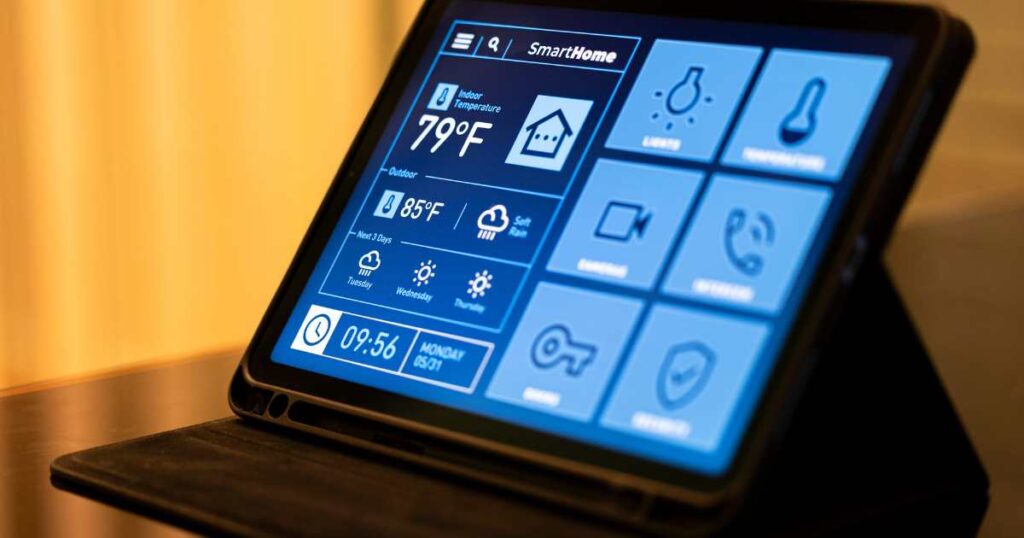
The connected home ecosystem, including security cameras, smart locks, HVAC controls, lighting systems, and home automation platforms, creates a growing attack surface that most personal insurance programs have not yet addressed. Ransomware targeting smart home systems has emerged as a distinct threat category in 2026, with attackers encrypting home automation systems, disabling security infrastructure, or threatening to release security camera footage in exchange for payment.
The insurance implications extend beyond the cyber policy. A smart home intrusion that leads to physical property damage, such as an unlocked door exploited during a subsequent burglary or a disabled security system that allows an unauthorized entry, may result in claims that span cyber, homeowners, and personal liability coverage. Understanding how each policy responds and where gaps may exist between them requires a more deliberate approach to coverage than most standard personal lines programs provide.
AI-Powered Social Engineering Targeting Household Advisors
Some of the most financially consequential personal cyber attacks in 2026 are not aimed directly at individuals. Instead, attackers are targeting the professionals and advisors authorized to act on an individual’s behalf. AI-generated phishing emails that impersonate financial advisors, attorneys, accountants, or family office representatives can be used to initiate fraudulent transactions, redirect distributions, or obtain access to account credentials. These attacks can be difficult to detect because they may incorporate accurate details about professional relationships, account structures, and recent transactions gathered from public records and social media.
Personal cyber insurance policies that include social engineering fraud coverage address the financial loss component of these attacks. Coverage typically extends to losses resulting from a policyholder being deceived into voluntarily transferring funds based on a fraudulent communication. The coverage limit, the waiting period before coverage applies, and the specific definition of a covered social engineering event vary significantly across policies and deserve careful review.
What Personal Cyber Coverage Now Includes and What It Does Not
Personal cyber insurance can help families respond to risks that a homeowners policy may not address. Depending on the policy, coverage may include identity restoration, recovery of digital content, certain types of financial fraud and assistance after cyberbullying or online harassment. Limits, exclusions and required security practices vary by carrier, so it is important to review the terms before assuming a particular loss is covered. Chubb
A cyber incident can also lead to a physical loss. Suppose someone gains access to a smart home system and then burglarizes the home. The homeowners policy may respond to the theft, while a personal cyber policy may cover eligible costs associated with the digital breach. Whether either policy pays depends on the facts and its terms. Reviewing both policies together helps a household understand where coverage may overlap or leave a gap.
Insurance is only one part of that review. The FBI’s Internet Crime Complaint Center annual reports track reported cybercrime, while CISA’s Secure Our World guidance offers practical steps such as using strong passwords and multifactor authentication. Internet Crime Complaint Center (IC3)
Tooher-Ferraris helps individuals and families consider digital risks alongside their property and liability coverage. Explore our additional personal insurance coverages and Private Client Group to see how those protections can fit into a broader insurance program. Tooher-Ferraris
Want to review your household’s personal cyber exposure? Contact Tooher-Ferraris to schedule a no-obligation consultation.
Frequently Asked Questions
Does homeowners insurance cover personal cyber incidents?
Standard homeowners policies typically exclude cyber events or provide only limited identity theft coverage, often between $500 and $5,000. These limits may not reflect the actual costs associated with a significant cyber incident. A standalone personal cyber policy or a cyber endorsement to the homeowners policy with adequate limits may be necessary to address broader digital exposures.
What does personal cyber insurance cover in 2026?
Comprehensive personal cyber policies now commonly cover identity restoration costs, fraudulent wire transfer losses from social engineering, digital asset recovery, ransomware response, cyberbullying and online harassment support, data recovery costs, and crisis management services. Coverage limits, deductibles, and specific definitions vary significantly across carriers.
Why are high-income households more frequently targeted by personal cyber attacks?
High-income households present larger financial rewards per successful attack than median households, maintain more complex household structures with multiple advisors and staff who can be targeted through social engineering, and often have higher public profiles that provide attackers with more reference material for crafting credible impersonations. The household complexity that reflects financial success also creates more attack vectors.