

The first storm of the season usually brings the first slip-and-fall claims. Customers fall in parking lots, delivery drivers fall on steps, and employees fall walking in from their cars. Falls are a serious and costly injury category: the Bureau of Labor Statistics counted 674,100 private-industry injuries from slips, trips, and falls in 2021 and 2022 that led to days away from work, job restrictions, or transfers, nearly 20% of all reported cases. Customers and visitors who fall on your property can bring premises liability claims against your general liability policy, and employees who fall usually file workers’ compensation claims. Here are seven things to have in place before the snow starts.
1. A Written Snow and Ice Plan
Decide who clears what, when, and how. Set clear triggers, such as plowing at two inches and treating walkways before opening hours, and name a backup for weekends and holidays. Include a plan for overnight refreezing, since a lot cleared at 5 p.m. can turn to ice by opening time. A written plan shows that the business took reasonable steps, which is often the central question in a premises liability claim.
2. A Snow Removal Contract That Protects You
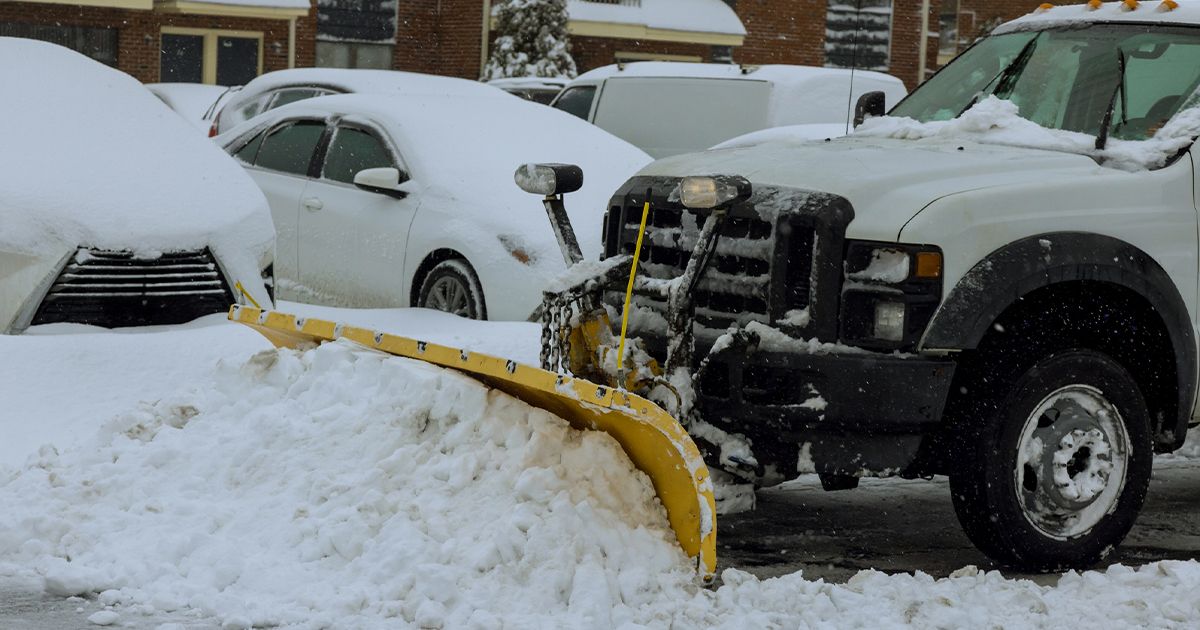
If you hire a contractor, the contract matters as much as the plow. Require the contractor to carry general liability and auto coverage, name your business as an additional insured, and agree to indemnify you for losses caused by their work. Collect a current certificate of insurance before the season starts, and spell out response times and service standards in writing. Watch for contracts that require service only after a set accumulation, which can leave light ice untreated.
3. Records of Every Plowing, Salting, and Inspection
Slip-and-fall claims are often filed months after the incident, when memories have faded. A simple log with the date, time, conditions, and action taken can be the most persuasive evidence you have. Ask your contractor for service records, and keep photos from walk-throughs on stormy days. Digital logs with time stamps, such as a shared spreadsheet or a photo app, are easy to maintain and hard to dispute.
4. Attention to Entrances and Refreeze Spots
Most winter falls happen in a handful of predictable places: entrances, ramps, stairs, and spots where melting snow refreezes overnight. Use absorbent entrance mats, keep lighting working in parking areas, and check gutters and downspouts that drain onto walkways. Post wet floor signs during storms and assign someone to check entry floors every hour on busy days. OSHA’s walking-working surfaces guidance covers the employer side of these hazards.
5. Clarity on Who Is Responsible in Leased Space
Tenants and landlords often assume the other party handles snow removal. Read your lease. It may assign responsibility for sidewalks, lots, and common areas, and it may require you to carry specific limits or name the landlord as an additional insured. Resolve any gaps now, before a claim forces the question. If you share a building, ask the property manager for their snow removal contract and certificate as well.
6. An Incident Response Routine
When someone falls, the first hour matters. Train staff to help the injured person, call for medical care if needed, photograph the area, collect witness names, and complete an incident report that sticks to the facts without admitting fault. Report the incident to your insurer promptly, because late notice can complicate a claim. Preserve any security camera footage, since many systems overwrite recordings within days.
7. Limits That Match Today’s Slip-and-Fall Claims
A fall that causes a fracture or head injury can produce a large claim. Review your general liability limits and your umbrella with your broker, and remember that employee falls fall under workers’ compensation. Our commercial insurance team can compare your limits to your exposure, and the Dynamic Risk Synergy Portal offers winter safety and training materials.
Your Pre-Storm Checklist
- Write down your snow and ice plan, with names and triggers.
- Get a current certificate and additional insured endorsement from your snow removal contractor.
- Start a plowing and salting log today.
- Place entrance mats and check lighting and downspouts.
- Confirm snow removal responsibilities in your lease.
- Train staff on the incident response routine.
- Review general liability and umbrella limits before renewal.