

September is when boats come out of the water across the Northeast, and most owners think about their watercraft insurance exactly once during the process: when they wonder if they can cancel it. The end-of-season transition is actually when watercraft coverage decisions matter most because the risks that occur during storage, transport, and spring launch are real, and the coverage gaps that cost boat owners money are almost entirely avoidable. Here are the five most common watercraft insurance mistakes made at the end of season.
1. Dropping Coverage During Winter Storage
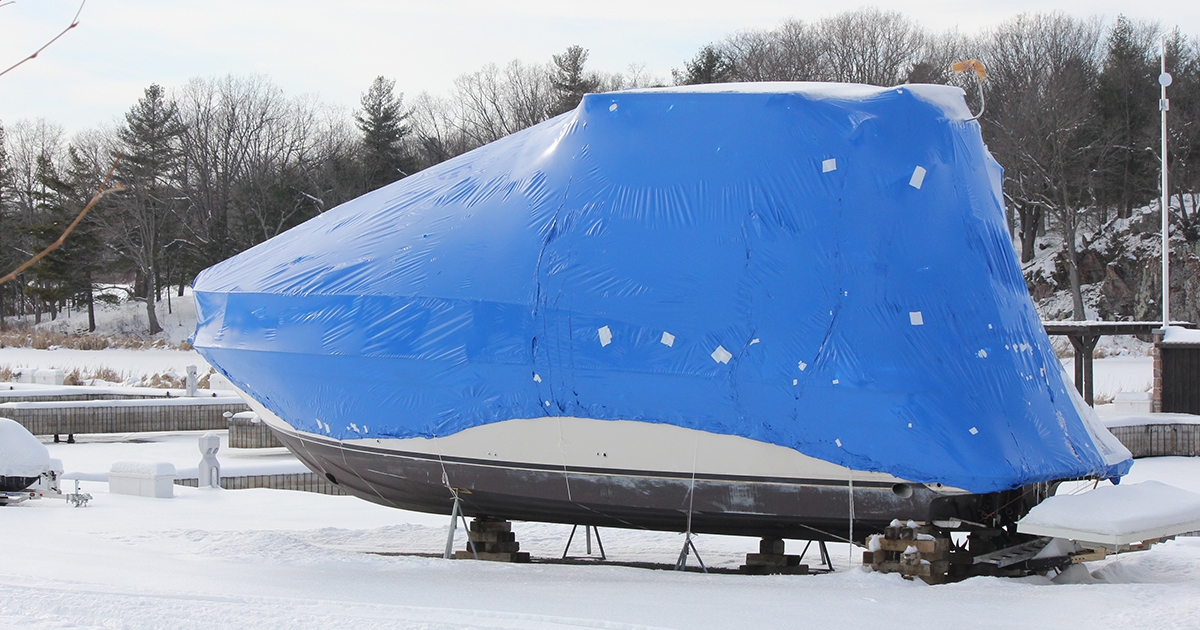
This is the most common and most costly watercraft insurance mistake. Many boat owners assume that a vessel out of the water does not need insurance, and they cancel or suspend their policy to avoid paying premiums through the winter. The reality is that boats in storage face fire, theft, vandalism, and structural damage from weather events at measurable rates. A boat stored in a marina facility or boatyard is a target for theft throughout the winter. A vessel stored at home remains exposed to windstorm, falling trees, and accidental damage from other stored equipment.
Canceling watercraft coverage during storage also creates a gap that can complicate reinstatement. Some carriers treat a lapsed policy as a new application, which may result in different terms or a waiting period before coverage becomes effective, leaving the boat uninsured during spring preparation and launch, the highest-risk period of the year for operational damage.
2. Insuring at Agreed Value vs. Actual Cash Value Without Understanding the Difference
Watercraft policies are offered on two valuation bases: agreed value and actual cash value. The difference matters significantly at claim time. Agreed value policies pay the stated amount in the event of a total loss, with no depreciation deduction. Actual cash value policies pay what the boat was worth at the time of loss, which for an aging vessel can be substantially less than what the owner paid or what replacement would cost.
Many boat owners purchase the least expensive policy available without understanding which valuation method applies. For vessels with significant market value, including center console fishing boats, performance boats, sailboats, and cruisers in the $50,000 to $500,000+ range common among the clients Tooher-Ferraris serves, the choice between agreed value and ACV coverage can represent a six-figure difference in a total loss claim. End of season is the right time to verify which valuation basis your policy uses and whether the stated agreed value reflects the current market for your vessel.

3. Missing Marina Liability and Wreck Removal Coverage
Standard watercraft policies focus on physical damage to the vessel and liability for third-party bodily injury and property damage while the boat is in use. Two coverage categories that frequently appear as gaps are marina liability and wreck removal. Marina liability coverage protects against damage your boat causes to marina facilities, adjacent vessels, or dock infrastructure while moored. Wreck removal coverage pays for the cost of raising, removing, or destroying your vessel if it sinks and the removal is required by law or by the marina.
These are not exotic coverage extensions. They are standard features of comprehensive watercraft policies that many boat owners do not realize are missing until a marina damage incident or a sinking event generates a removal obligation that their base policy does not cover. Reviewing whether your current policy includes these coverages takes less than five minutes and can prevent a significant uninsured expense.
4. Failing to Cover the Trailer
The trailer that transports a trailerable vessel is a separate piece of equipment with its own coverage requirements. Many boat owners assume their watercraft policy covers the trailer, or that their auto policy extends to cover it. The reality is more nuanced. Auto policies typically provide some liability coverage for a trailer while it is attached to the towing vehicle, but they rarely cover physical damage to the trailer itself. Watercraft policies also vary significantly in whether and how they cover the trailer.
A trailer that is stolen from a driveway, damaged in transport, or involved in an accident while being moved to winter storage may not be covered by either the watercraft policy or the auto policy if the coverage question was never explicitly addressed. Confirming trailer coverage as part of the end-of-season review closes a gap that can cost thousands of dollars when a loss reveals it.
5. Update Coverage After Adding Equipment or Making Improvements
A boat’s value can change after you purchase it. A new outboard motor, upgraded electronics, navigation equipment or other improvements may affect how much coverage you need. Before storing your boat for the season, make a list of additions and review their value against your current policy.
Ask how the policy covers permanently installed equipment, removable gear and personal property kept aboard. Some items may have separate limits or coverage conditions. It is also important to understand whether your boat is insured on an agreed value or actual cash value basis and how that would affect a claim.
If you have made significant changes to your vessel, let your insurance advisor know so you can review the coverage before a loss occurs. Tooher-Ferraris can help you assess your boat’s value, equipment, trailer and liability coverage. Learn more about our watercraft insurance and Private Client Group.
Frequently Asked Questions
Should I cancel my boat insurance during winter storage?
No. Boats in storage face theft, fire, vandalism, and storm damage at rates that justify maintaining coverage year-round. Canceling coverage during storage also creates a policy lapse that can complicate reinstatement and may leave the vessel uninsured during the spring preparation and launch period when operational damage risk is highest.
What is the difference between agreed value and actual cash value watercraft insurance?
Agreed value policies pay the stated coverage amount in the event of a total loss, with no depreciation applied. Actual cash value policies pay the depreciated market value of the vessel at the time of loss, which for older vessels can be significantly less than replacement cost. For vessels with substantial value, the choice between these two valuation methods can represent a material difference in a total loss claim.
Does my auto insurance cover my boat trailer?
Auto policies typically extend liability coverage to a trailer while it is attached to the towing vehicle, but physical damage coverage for the trailer itself is not consistently provided. Coverage for the trailer while it is detached, in storage, or being used independently varies by policy. Confirming trailer coverage explicitly with your insurance broker, rather than assuming either the auto or watercraft policy covers it, is the most reliable approach.
Ready to review your watercraft coverage before you haul out for the season? The team at Tooher-Ferraris has been helping boat owners protect their vessels since 1932. Contact us today to schedule a no-obligation consultation — https://toofer.com/contact-us/