












Frozen pipe coverage is the part of your homeowners policy that pays for sudden water damage after a pipe freezes and bursts, and it comes with conditions most owners never read. According to the Insurance Information Institute, water damage and freezing made up 22.6% of all U.S. home insurance claims in 2023, with an average claim near $15,400. Check these seven details before December. The Private Risk Management Association adds that water claims remain the largest source of loss for private clients, as reported by Insurance Business.
Winter claims surprise owners because the policy language rarely gets read until the loss has happened. This list moves that reading to November.
1. Heat and Vacancy Conditions in Your Frozen Pipe Coverage
Many policies expect the heat to stay on. If a second home sits empty for more than a set number of days, or the thermostat was off, the insurer may limit or deny a freeze claim. Ask what your policy requires and how long a home can sit unoccupied. Seasonal and second homes face the greatest risk, because a failed furnace can go unnoticed for days.
2. Gradual Leaks and Seepage
Coverage generally applies to sudden and accidental events. A slow leak behind a wall that runs for weeks may fall under an exclusion for continuous seepage. Insurers often ask when the leak began, so keep records of inspections and maintenance.
3. Water Backup and Sump Failure
Water that backs up through a drain or overflows a sump pump usually needs a separate endorsement. It is inexpensive relative to the exposure, and it is easy to add. A finished basement with high-value contents widens the gap.
4. Ice Dam Removal
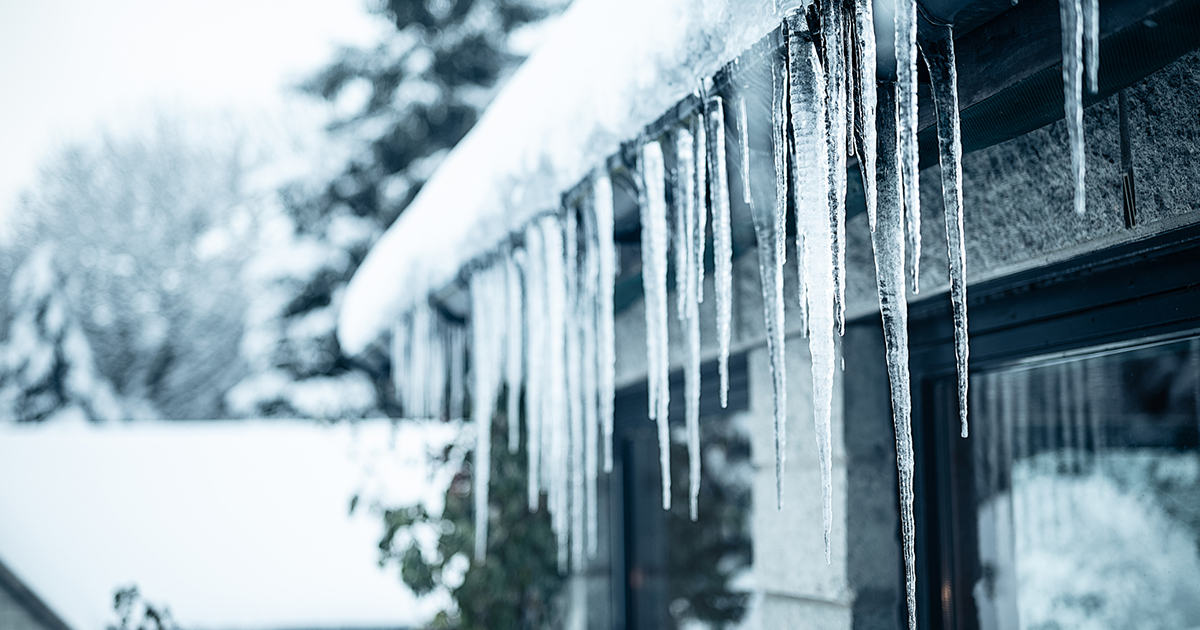
Interior damage from an ice dam is often covered, while the cost of removing the dam itself may not be. Ask how your policy treats both. Proper attic insulation and ventilation reduce the odds of a dam forming, and a roof inspection in November costs little.
5. Water Damage Deductibles
Some policies use a separate or percentage deductible for water losses. On a high-value home, that can mean a five-figure out-of-pocket cost before coverage starts. Ask for that deductible in dollars, based on your home’s actual value. Our home insurance specialists can show you where yours sits.
6. Tear-Out and Access Costs
Reaching a burst pipe often means opening walls and floors. Some policies pay for the resulting damage but exclude the cost of repairing the pipe or the access work. Confirm which applies, and ask whether custom finishes such as cabinetry or stone floors are repaired to their original quality.
7. Additional Living Expense Limits
A major water loss can push a family out of the house for months. Additional living expense coverage is capped by dollar amount or time, and finish work on a high-end home can take longer than the cap allows. Compare the cap to a realistic rebuild timeline.
Frequently Asked Questions
Does homeowners insurance cover a burst pipe?
Usually it covers sudden and accidental damage from a burst pipe, subject to your deductible and policy conditions.
Do leak sensors lower risk?
Yes. Automatic shutoff valves and leak sensors limit the volume of water and the size of a claim, and some carriers offer a discount for them. Our Private Client Group can recommend options for higher-value homes.
What should I do first when a pipe bursts?
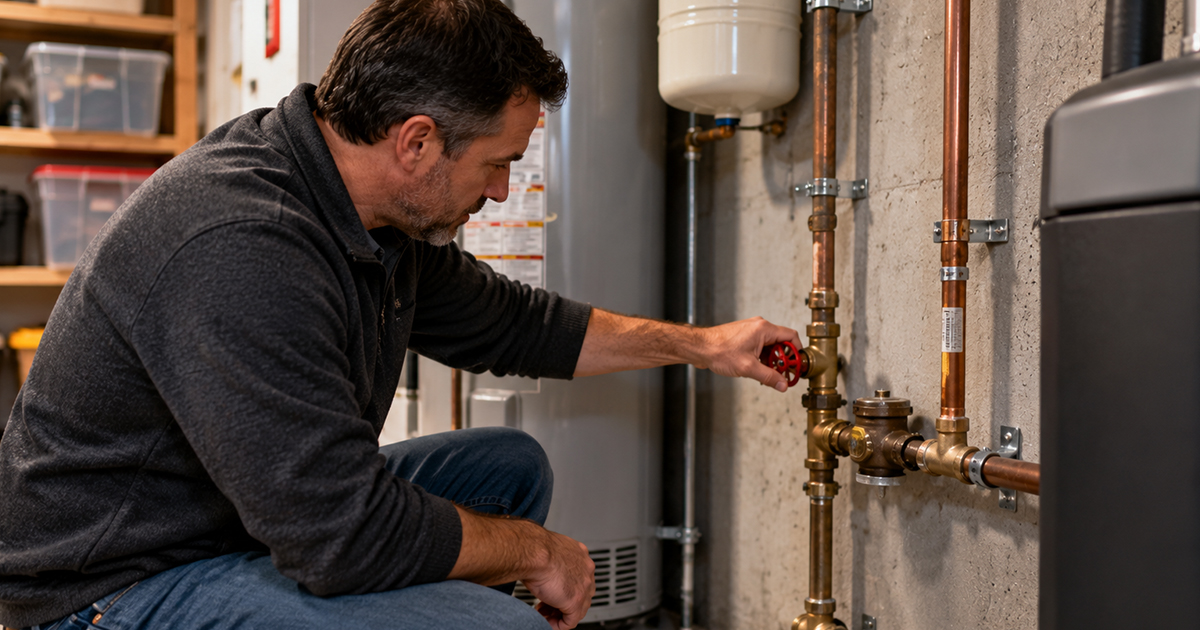
Shut off the main water valve, turn off electricity to affected areas if it is safe, photograph the damage, and call your insurer promptly.
Read the freeze language in your policy this month, because a few days of attention now decides what a burst pipe costs you in January.