


Your home has a leak sensor that alerts you before the pipe bursts. A doorbell camera has captured the package thief. A thermostat adjusts itself. A smoke detector sends a push notification to your phone and dispatches the monitoring service automatically. Your home is smarter than it has ever been.
Your insurance policy may not know any of that.
Smart home technology has grown faster than the insurance industry’s ability to recognize and reward it and the homeowners who have invested in these tools are often not receiving credit for the risk reduction they have already put in place. That gap is starting to close in 2026, and the homeowners who understand it stand to benefit on two fronts: premium discounts for devices already installed, and better coverage for the new exposures those devices create.
What Smart Technology Actually Reduces and Why Carriers Are Paying Attention
Insurance premiums reflect risk. The more demonstrably your home’s risk profile sits below average, the more room a carrier has to reduce your premium or extend better terms. Smart home technology reduces risk in measurable, documented ways.
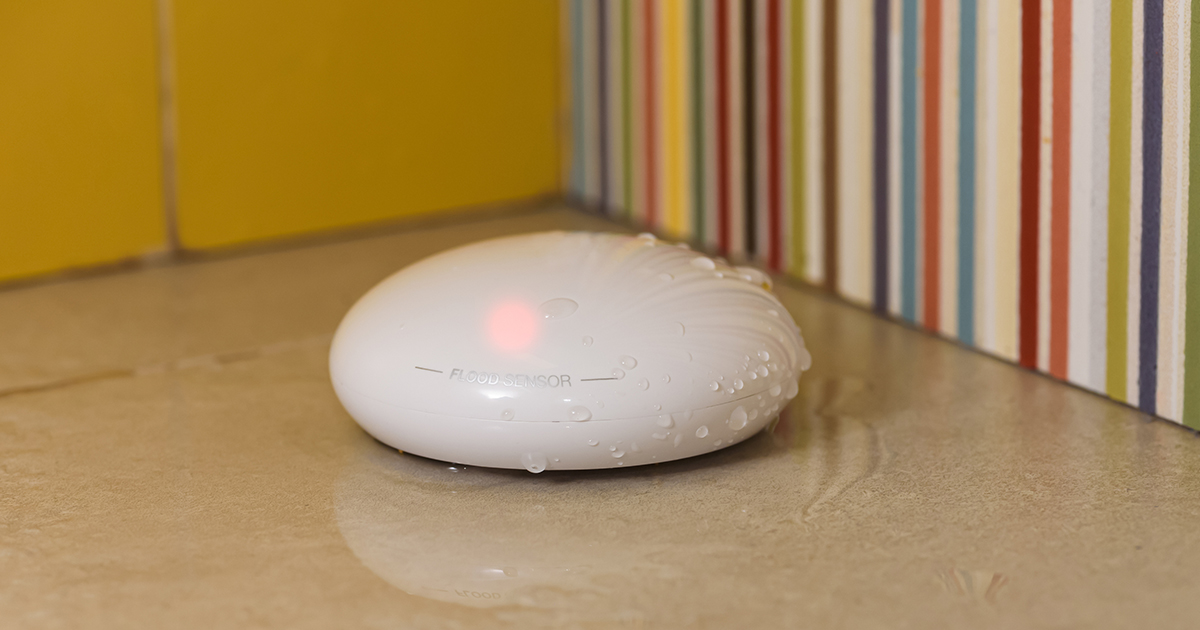
Water damage is consistently one of the largest categories of homeowners insurance losses. According to the Insurance Information Institute, water damage and freezing account for approximately 24% of all homeowners insurance losses. Smart leak detection systems — sensors placed near water heaters, under sinks, and behind washing machines — identify slow leaks before they become structural failures. Many systems automatically shut off the main water supply when a leak is detected, preventing losses that would otherwise generate five- and six-figure claims.
Monitored security systems, video doorbells, smart smoke and carbon monoxide detectors, and AI-powered surveillance cameras reduce both theft and fire losses. A 2025 industry analysis from Cotality found that homes with professional monitoring services filed claims at meaningfully lower rates than comparable unmonitored properties. Carriers increasingly recognize these devices through underwriting credits, with premium discounts typically ranging from 5 to 15 percent for qualifying smart home systems and monitoring services.
The key word is “qualifying.” Discounts are not applied automatically. You need to tell your home insurance carrier what devices you have installed, provide documentation if required, and confirm that your insurer recognizes those specific systems for underwriting purposes.
Where Policies Have Not Caught Up
Smart technology also introduces coverage questions that standard homeowners policies were not written to address.
AI-powered devices that store video footage, voice recordings, and usage data create privacy and liability considerations that are genuinely new. If a connected device in your home is accessed without authorization and data is stolen or misused, a standard homeowners policy will typically not respond. Personal cyber coverage, available as an endorsement or standalone policy, addresses exactly this exposure. With smart home devices collecting significant amounts of personal data on continuous cycles, the overlap between home security and digital privacy risk is growing fast.
Remote access systems — smart locks, disarmed alarm codes, camera feeds accessible from a phone — create access points that a standard homeowners policy never anticipated. Liability questions around AI-assisted home systems are still evolving, and the coverage market is adapting.
The Practical Next Step
Start by inventorying what your home actually has: leak sensors, monitored alarm systems, smart smoke detectors, video surveillance, water shutoff systems. Each may qualify for underwriting credits your current policy is not reflecting. For households with significant smart home infrastructure, a review of your additional personal insurance coverages and a private client consultation can surface both discount opportunities and coverage gaps in a single conversation. The investment in a smarter home is real. The insurance program protecting it should keep pace.
Ready to make sure your coverage reflects the home you’ve built? The team at Tooher-Ferraris has been helping families protect what matters most since 1932. Contact us today to schedule a no-obligation consultation.